The History of Coron
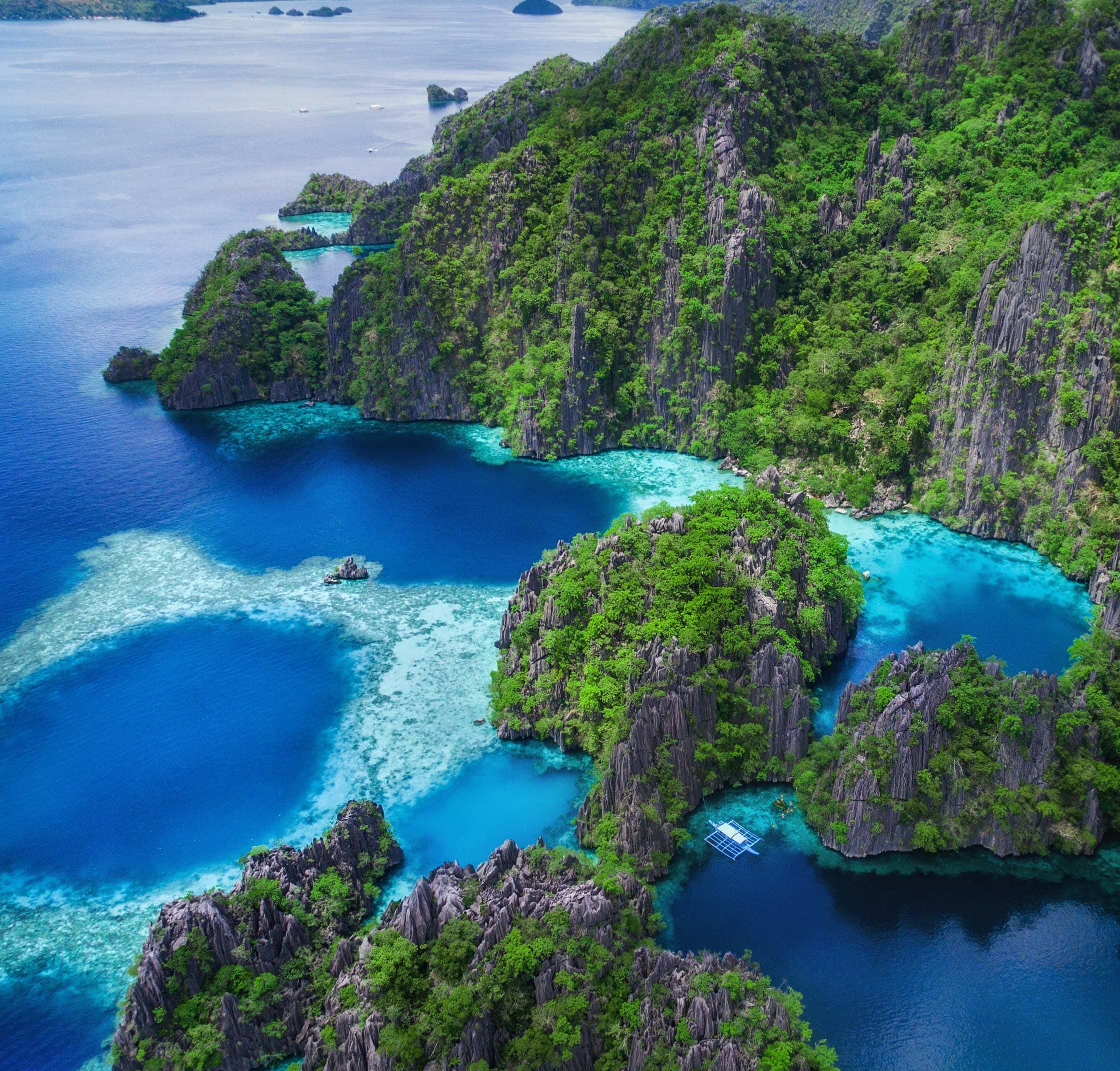
Nestled in northern Palawan, Coron is a treasure trove of history, culture, and natural beauty. Famous for its stunning limestone cliffs, crystal-clear lakes, and vibrant marine life, Coron also boasts a rich history that has shaped it into the unique destination it is today. Here, we delve into the fascinating history of Coron, exploring its cultural heritage, significant events, and enduring legacy.
Early Inhabitants and Indigenous Culture
Before Coron became a tourist hotspot, it was home to the indigenous Tagbanua people, one of the oldest ethnic groups in the Philippines. They have lived in Coron for thousands of years, relying on fishing, hunting, and farming. Their traditions are deeply rooted in animistic beliefs, respecting the spirits of the land, sea, and sky. Even today, the Tagbanua play a vital role in preserving Coron’s natural beauty.
Spanish Colonization and the Spread of Christianity
The arrival of the Spanish in the 16th century marked a significant turning point. The Spanish introduced Christianity and established settlements, including the famous San Agustin Church in Culion. Spanish-era forts, watchtowers, and churches can still be found, serving as reminders of this period.
World War II and the Sunken Japanese Wrecks
One of Coron's most notable historical chapters is its role in World War II. In 1944, Coron Bay was the site of a dramatic naval battle between the US and Japan, resulting in the sinking of several Japanese ships. Today, these sunken wrecks are popular diving sites, offering a unique underwater experience and a poignant reminder of the island's wartime past.
The Rise of Tourism and Environmental Conservation
In recent decades, Coron has become a premier tourist destination, renowned for its beaches, clear waters, and diving sites. The tourism boom has brought economic opportunities but also environmental challenges. Local authorities and communities have implemented conservation measures to protect Coron's natural wonders.
The Impact of the Tagbanua People
The Tagbanua people have been crucial in shaping Coron's identity and preserving its natural resources. Their ancestral lands, including Kayangan and Barracuda Lakes, are protected by law. The Tagbanua continue to practice traditional methods of fishing and farming while adapting to modern challenges. Their commitment to conservation ensures that Coron's ecosystems are preserved for future generations.
Modern Coron: A Blend of History and Natural Beauty
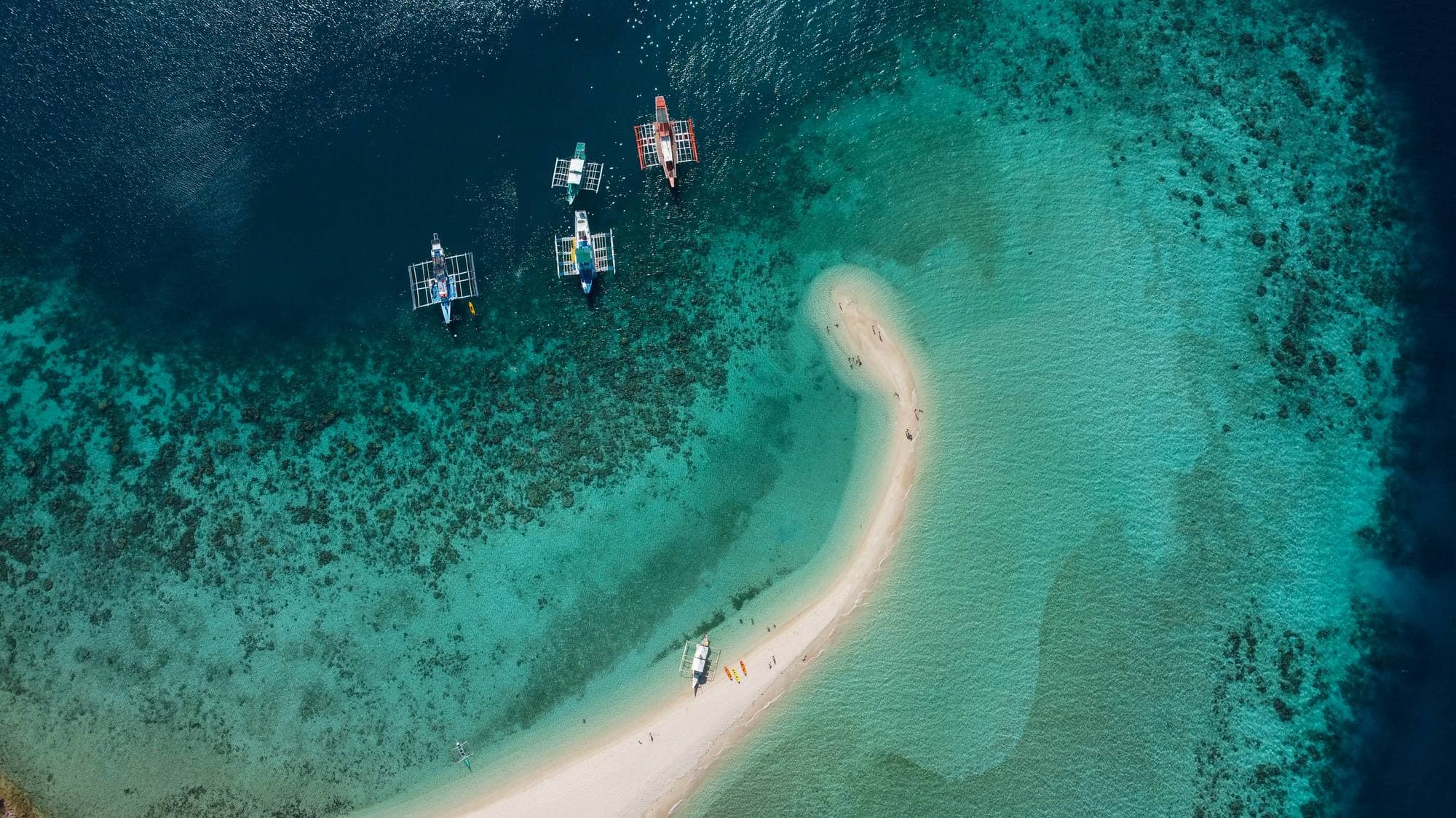
Today, Coron offers a unique blend of history and natural beauty. Visitors can hike Mount Tapyas, relax in Maquinit Hot Springs, or take boat tours to hidden lagoons and beaches. Each experience is enriched by Coron's historical context, providing a deeper understanding of the island's past and present.
Plan Your Historical Expedition in Coron
If you're eager to explore Coron's rich history and natural beauty, book your tour or expedition with us today. Our expertly curated trips combine cultural insights with breathtaking adventures. Discover the stories behind the island's landmarks, dive into its wartime past, and connect with the Tagbanua people’s legacy.
Loading...
